How to optimize the operational efficiency of business teams?
The Data-Driven approach consists of making strategic decisions through data analysis.
However, to follow this path, it is now essential to make the indicators available to the trades.

In the first instance, a good Data-Driven culture requires clean data and the rapid and fluid adoption of the analytical tool.
Unfortunately, not all companies are yet up to speed on these various conditions today.
Indeed, some of them are content to provide tools requiring technical skills, which leads to the IS teams’ recurring interventions as well as a waste of time for the business teams.
Thus, to facilitate their autonomy, these non-technical teams must be able to use the tool to have direct access to the data without using the technical profiles.

The different data tools available on the market
Data Self-Services tools
Among the different types of data analysis tools made available on the market, the first one is the self-service tools. These are addressed to data experts, they are difficult to customize to meet the specific business needs of organizations. These tools are not always optimized to provide the data to other teams.
Thus, non-technical users must be trained to handle the data at their convenience (origin, context, definition, etc...) in a report/dashboard that was not made by them.
The company is therefore facing an investment that is not profitable, and the trades users prefer to hide behind the Excel spreadsheets that they master.
Internal data tools
In addition, when a trade has a very specific need, the organization can choose to develop an internal tool. That being said, it must have all the resources necessary (financial, human, skills, time) for its development and must be able to maintain the tool.
This technological choice undoubtedly generates financial and time costs, since the work is complex when it comes to developing a sustainable solution.
In addition, another major drawback lies in the tool’s flexibility and scalability. Indeed, the slightest functional modification will involve a modification in the application’s code, again generating the same problems mentioned above.
The new Big Data tools on the market
To remedy this type of hurdle and adapt to the users’ needs, less standardized solutions have been designed to allow the trades to be more autonomous.
They simplify the work of business teams and offer the ability to collaborate based on reliable and available data.

Increasing productivity and performance with Nodata, a Big Data tool
In a project with Nodata, involving the business user from the beginning allows them to be autonomous in the final product.
Thus, it will not be necessary to be trained for the use of the tool, the latter being easy to handle and designed to be intuitive, this directly detaches the user from the technical experts.
Related Articles

Financial
Comment combiner vos différents systèmes de gestion et vos ERP
Les entreprises ont toutes beaucoup de systèmes différents, incluant la comptabilité, les stocks, les matières premières et autres.
Mais, généralement, ils ne peuvent pas être reliés pour des questions de formats et cela les empêche d’avoir une vision globale et une optimisation efficace.
Read the article

Financial
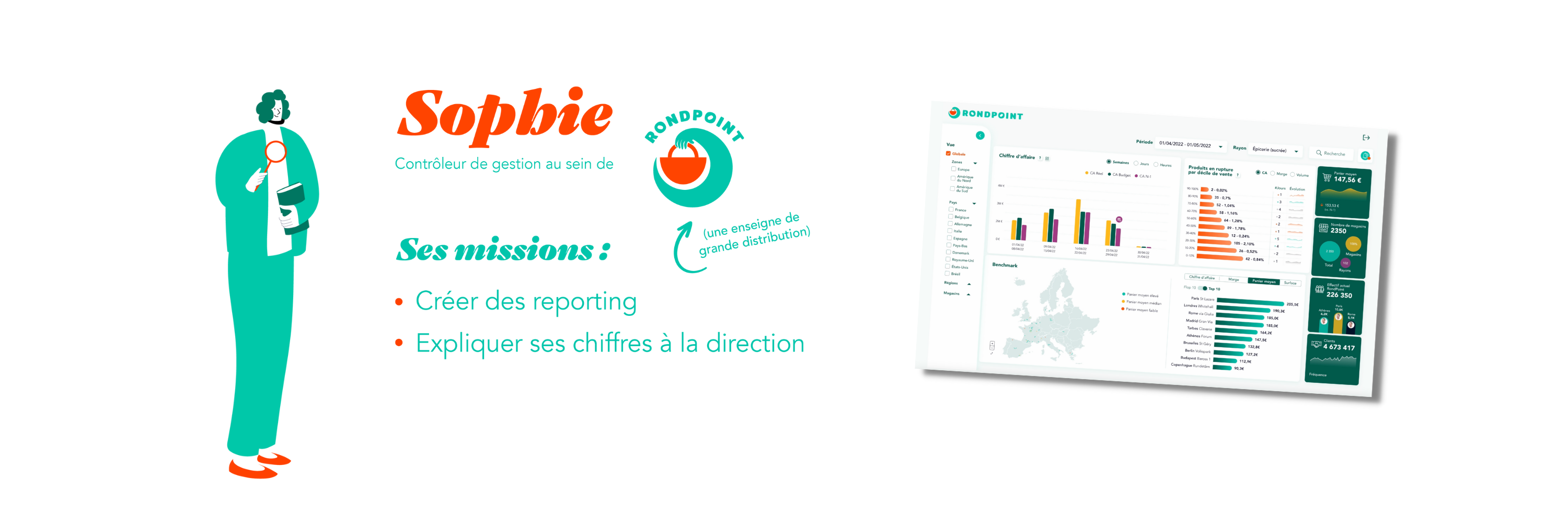
Contrôleurs de gestion, simplifiez vos missions et rendez vos données lisibles !
RondPoint est une entreprise commercialisant des produits alimentaires où Sophie est analyste financière sénior au sein de l’entreprise. L’une des spécificités du secteur est la pression sur les prix exercée par la grande distribution. Les directions financières font aussi face à la volatilité croissante des cours des matières premières.
Read the article
Financial
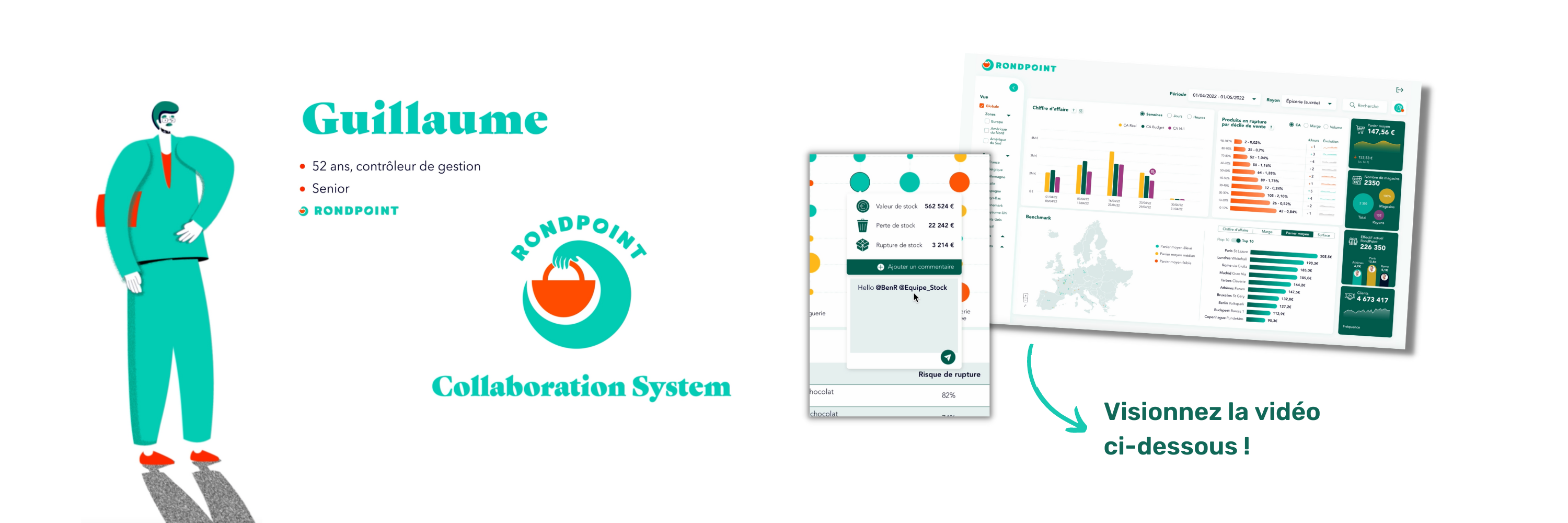
Contrôleurs de gestion, pilotez vos marges d'activités !
RondPoint, entreprise de grande distribution, commercialise des produits alimentaires. Le secteur est soumis à une forte pression des prix, ainsi qu’une volatilité croissante des cours des matières premières. C’est dans ce contexte que Guillaume, contrôleur de gestion sénior, effectue des reportings quotidiens pour aider sa direction à prendre les meilleures décisions stratégiques possibles.
Read the article